
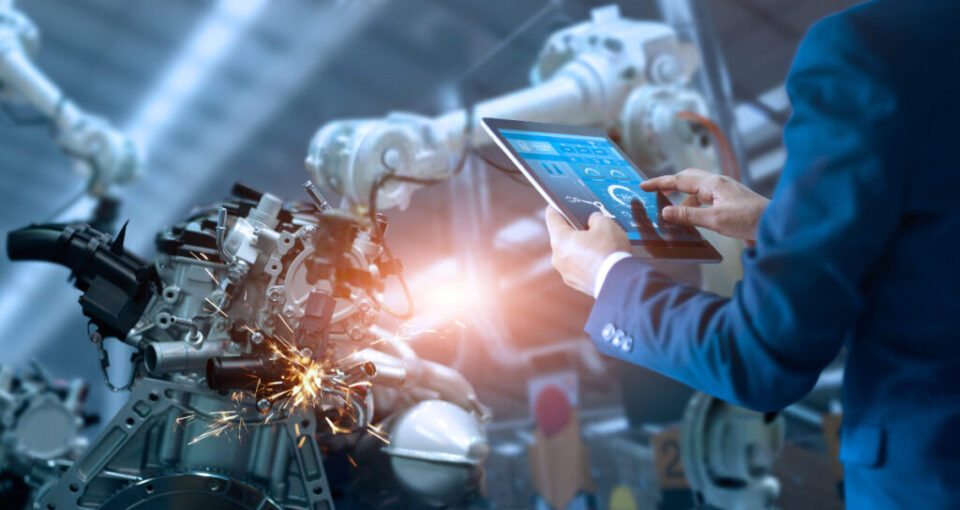
The term “industry” carries with it a weight of history, progress, and transformation. From the early days of mechanization to today’s high-tech manufacturing and digital economies, industry has been the backbone of economic development, cultural change, and technological advancement. It is the force that fuels growth, drives innovation, and bridges the gap between raw materials and consumer goods. As the world moves toward a future of increased automation, sustainability, and global interconnectedness, understanding the evolution of industry and its multifaceted impact on society becomes crucial.
The Industrial Revolution: The Dawn of Mass Production
The concept of industry, as we understand it today, traces its roots to the Industrial Revolution, which began in the late 18th century in Great Britain and spread rapidly across the globe. Before this period, economies were largely agrarian, with most goods produced in small, localized workshops or homes. The advent of steam power, mechanization, and factory-based production transformed this decentralized approach into one of mass production and specialization.
At the heart of the Industrial Revolution was the development of machinery that could perform tasks more efficiently than human labor. The invention of the steam engine by James Watt, for example, allowed factories to move away from reliance on water sources for power, leading to the growth of industrial cities. The textile industry, with innovations such as the spinning jenny and power loom, became one of the first to benefit from mechanized production, dramatically increasing output and reducing costs. This shift enabled a new level of scale, where goods could be produced faster, cheaper, and in greater quantities than ever before.
Simultaneously, industries such as iron, coal mining, and transportation (including the railroad) flourished, all of which helped establish a new economic order. This era marked the birth of modern capitalism, with factories becoming the central hubs of production. It was a time of remarkable technological advancement, but also one of profound social and environmental change, as urbanization accelerated and rural workers sought employment in these rapidly growing industrial centers.
The Rise of Consumerism and the Global Economy
By the late 19th and early 20th centuries, industry had begun to take on a more global scale. Advances in transportation, including the automobile and the airplane, facilitated the movement of goods across countries and continents. The rise of mass production—thanks to figures like Henry Ford and his moving assembly line—brought consumer goods, once considered luxuries, into the hands of the general public. The Ford Model T, for instance, made automobiles affordable to the masses, revolutionizing personal mobility and enabling a consumer-driven economy.
The expansion of industry in the 20th century saw the growth of multinational corporations, which harnessed the power of large-scale manufacturing to operate on a global stage. These companies, from General Electric to IBM, not only dominated national markets but began to shape international trade, influencing political policies, and affecting labor markets worldwide. With the expansion of production came a corresponding expansion in the workforce, and the notion of “blue-collar” work became synonymous with economic progress and social mobility.
However, the global industrialization of the 20th century also brought significant challenges. As industries expanded, so did their environmental impact. The unchecked burning of coal, the widespread use of pesticides in agriculture, and the emission of harmful chemicals during production processes led to pollution, resource depletion, and ecological degradation. The question of how to balance economic growth with environmental sustainability became a pressing issue by the mid-20th century, prompting the rise of environmental movements and regulatory measures aimed at curbing industrial excesses.
The Digital Revolution: Industry in the Age of Information
The late 20th and early 21st centuries introduced a new phase of industrial evolution: the Information Age. This era was marked by the proliferation of computers, the internet, and digital technologies, which radically reshaped industries across the globe. No longer were factories the sole sites of industrial production; instead, industries began to leverage software, data, and digital tools to streamline operations, improve efficiency, and create entirely new business models.
Automation became a critical factor in the evolution of manufacturing, as robots and artificial intelligence took on tasks once performed by humans. The rise of robotics, for example, in industries like automotive manufacturing, allowed companies to reduce costs while increasing precision and output. Simultaneously, industries such as finance, healthcare, and entertainment were transformed by digital technologies, giving rise to new industries like e-commerce, fintech, and digital media.
Perhaps the most profound shift in this digital age is the increasing importance of data. Industries now rely heavily on vast amounts of data to optimize their operations, understand consumer behavior, and predict trends. Data analytics has become the lifeblood of decision-making, and industries such as marketing, retail, and logistics are now guided by complex algorithms designed to predict consumer demand, optimize supply chains, and personalize experiences.
The digital revolution also gave rise to new industries centered around information technology. Software companies, cloud services, cybersecurity, and artificial intelligence are now critical pillars of the global economy. Silicon Valley, once a quiet region in Northern California, became the epicenter of this digital industrial revolution, drawing talent and investment from all over the world.
The Future of Industry: Sustainability, Automation, and Innovation
As the world moves deeper into the 21st century, the future of industry is being shaped by three major forces: sustainability, automation, and innovation.
The need for sustainability has never been more urgent. Climate change, environmental degradation, and resource scarcity have pushed industries to reconsider their practices. The rise of green technologies, renewable energy, and sustainable manufacturing processes are shaping the future of industries like construction, energy, and transportation. Companies are now investing in electric vehicles, energy-efficient buildings, and circular economy models, where materials are reused and waste is minimized. This shift is not only driven by environmental concerns but by growing consumer demand for responsible business practices and the long-term financial benefits of sustainability.
At the same time, automation and artificial intelligence continue to drive transformation. The advent of autonomous vehicles, drones, and smart factories promises to revolutionize industries by reducing labor costs, increasing efficiency, and improving safety. In sectors like manufacturing and logistics, automation will continue to replace traditional roles, but it will also create new opportunities in tech, data analysis, and machine learning. The workforce of tomorrow will need to be highly skilled, with expertise in both technological and creative domains.
Finally, innovation remains at the heart of industry. The integration of Internet of Things (IoT) devices, blockchain technology, and 3D printing is creating entirely new possibilities for industries to improve productivity, transparency, and product customization. As industries increasingly adopt digital tools and platforms, they will continue to innovate, providing new solutions to old challenges and creating opportunities for growth in previously unexplored sectors.
Conclusion: The Unfolding Story of Industry
The history of industry is a story of adaptation, innovation, and transformation. From the mechanized factories of the Industrial Revolution to the digital landscapes of the 21st century, industry has been a key driver of economic, social, and technological progress. As the world faces new challenges—climate change, technological disruption, and a shifting global economy—industries are once again at a crossroads. The decisions made today will determine how industries evolve in the coming decades, whether through sustainable practices, technological advances, or new ways of engaging with consumers. One thing is certain: industry, in all its forms, will continue to shape the future of our world.
