
In today’s fast-paced global economy, businesses face intense pressure to deliver products quickly while keeping customers satisfied. Rising consumer expectations and fierce competition mean that traditional supply chain methods are no longer enough. Organizations are increasingly turning to advanced technology solutions to streamline operations, eliminate delays, and enhance overall performance. One of the most transformative innovations in this space is supply chain automation software. This powerful tool is reshaping how companies manage logistics, leading to faster delivery times and improved customer satisfaction.
Supply chain automation software refers to a suite of digital tools and applications designed to automate repetitive processes, optimize workflows, and provide real-time visibility across the entire supply chain. By using automation, companies can reduce manual errors, make smarter decisions with data insights, and respond quickly to changing market conditions. From procurement to final delivery, automation software plays a vital role in reducing operational bottlenecks. In the second paragraph, it is important to note that supply chain automation software not only speeds up internal processes but also enhances customer experiences by ensuring products reach buyers more consistently and reliably.
One of the key impacts of automation software is the acceleration of delivery speed. Traditional supply chain processes often involve manual planning, multiple handoffs, and reactive responses to disruptions. These methods are prone to delays and costly mistakes. Automation streamlines tasks such as inventory management, order processing, and route optimization, allowing systems to operate smoothly without constant human intervention. For example, automated order fulfillment systems can instantly process orders, check inventory levels, and schedule shipments, eliminating the time wasted on manual checks. This level of efficiency directly translates into quicker delivery times, which customers increasingly expect in an age of same-day and next-day delivery promises.
Faster deliveries not only satisfy customer expectations but also strengthen brand reputation and loyalty. When customers receive their orders on time or earlier than expected, they are more likely to trust and return to the business. On the other hand, delayed shipments can lead to frustration, negative reviews, and lost sales. By reducing delivery times through supply chain automation software, companies can proactively meet or exceed customer expectations. This improved reliability builds confidence and nurtures long-term relationships with customers.
Another significant benefit of automation software is its ability to improve accuracy and reduce errors. Manual processes often rely on human data entry and paper-based systems, which are inherently prone to mistakes. Inaccurate inventory data or incorrect documentation can lead to stockouts, overstock situations, or misrouted shipments. Automation software uses advanced algorithms and real-time data to ensure decisions are based on accurate information. With better accuracy, companies can avoid common pitfalls that slow down supply chain operations. This reliability ultimately contributes to a smoother delivery experience and higher levels of customer satisfaction.
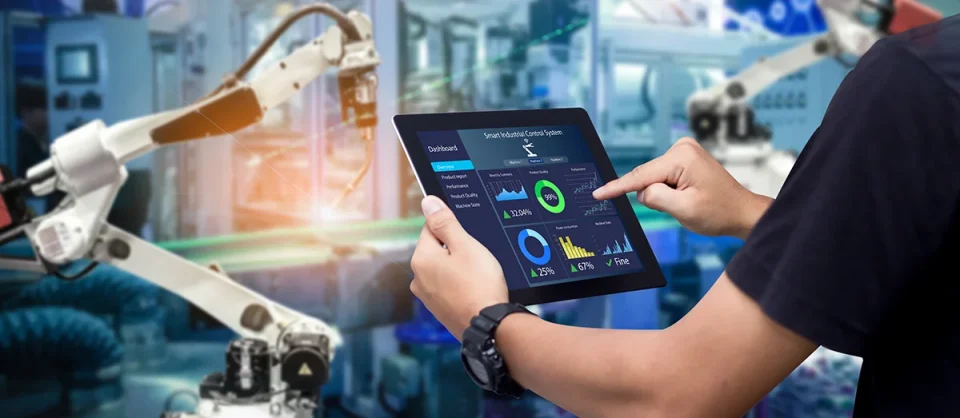
Real-time visibility is also a major advantage of supply chain automation software. Modern solutions provide dashboards and alerts that allow managers to monitor performance at every stage of the supply chain. This visibility helps companies identify potential issues before they escalate, such as delays at distribution centers or transportation disruptions. With this foresight, businesses can take corrective actions quickly, preventing delays and maintaining delivery commitments. When customers can track their orders in real time and receive accurate delivery estimates, it enhances transparency and trust in the brand.
Automation also empowers employees to focus on higher-value activities. By eliminating repetitive tasks like data entry and manual scheduling, teams can redirect their energy toward strategic planning, customer service improvements, and innovation. This shift not only boosts employee morale but also contributes to a more agile and responsive supply chain. Happy, efficient teams are better equipped to support positive customer experiences, reinforcing the benefits of automation in both operational and human terms.
As companies continue to navigate complex global markets, the role of supply chain automation software will only grow in importance. Organizations that embrace automation gain a competitive edge by delivering products faster, reducing errors, and building stronger customer relationships. Ultimately, the investment in automation technology pays off through improved delivery performance and customer loyalty.
In conclusion, supply chain automation software is a game-changer for modern logistics. By speeding up delivery times, enhancing accuracy, and providing real-time visibility, automation helps businesses meet rising customer expectations with confidence. This transformative technology not only boosts operational efficiency but also elevates customer satisfaction, laying the foundation for long-term success in an increasingly demanding marketplace.
