
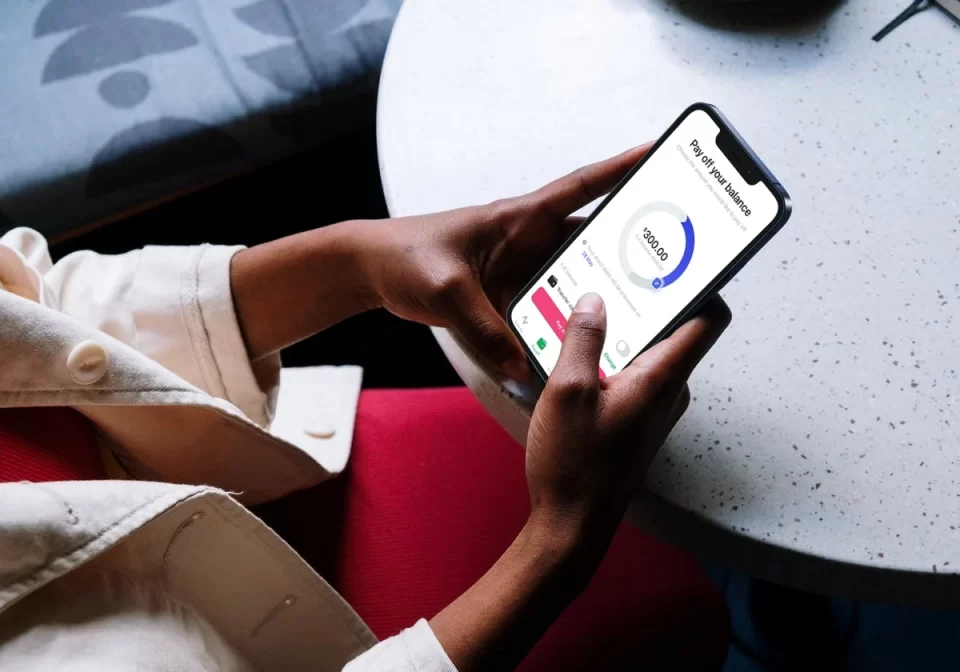
Mobile devices provide incredible freedom and flexibility to manage finances anytime, anywhere. But with great convenience comes greater responsibility to keep our information and money safe. Mobile banking apps use state-of-the-art security to give users both ease and security in managing their finances.
Understanding Mobile Banking Security
Mobile banking is performing banking tasks through a smartphone or tablet. It provides unparalleled access to banking services while implementing sophisticated security protocols. These measures protect users from fraud and unauthorised access, ensuring a seamless yet safe experience.
Key Security Features in Mobile Banking
The following are some of the key security features that enhance security for your financial transactions:
Biometric Authentication
Biometric authentication, such as fingerprint or facial recognition, has redefined how users secure their banking activities. This technology eliminates the need to remember passwords while ensuring only authorised users can access accounts.
End-to-End Encryption
Encryption plays a crucial role in mobile banking security. It ensures that all data, from login credentials to transaction details, is securely transmitted and inaccessible to unauthorised parties.
Real-Time Alerts
Mobile banking apps notify users of account activity through real-time alerts. These notifications cover transactions, login attempts, or account updates, empowering users to monitor their financial activities closely and act quickly in case of suspicious actions.
Paperless Transactions
Mobile banking supports eco-friendly, paperless operations by providing electronic statements and transaction histories. This eliminates the risk of losing physical documents, enhancing both security and convenience.
Secure Fund Transfers
Mobile banking allows for seamless and secure money transfers using payment methods like IMPS, NEFT, or RTGS. These options ensure fast processing while maintaining the highest security standards.
Regular Security Updates
Banking apps are regularly updated to counter evolving cyber threats. Updates include new features, bug fixes, and improved security protocols to protect user data against potential vulnerabilities.
Best Practices for Safe Mobile Banking
To ensure your money and information stay protected while using mobile banking, there are several best practices users should follow:
Firstly, enable biometric authentication, such as fingerprint or face unlock, on your device and use it to access your banking app whenever possible. This is more secure than passwords, which can be guessed. Also, avoid conducting any sensitive transactions over public WiFi networks, as they are more vulnerable to hacking. Only use your cellular data or a private, password-protected network for banking.
Additionally, regularly update your mobile OS, banking app, and other apps on your phone. Updates contain vital security patches that protect your device and apps from new threats. Enable auto-update where possible. Multi-factor or two-factor authentication is another powerful security measure you should opt into. It requires a second form of identity verification, such as an SMS code, when logging in or authorising transactions in the app.
Conclusion
Mobile banking has redefined how we access and secure financial services. Advanced technologies like encryption, biometric authentication, and real-time alerts provide a safe platform for managing transactions.
For a secure and seamless banking experience, consider trusted solutions like IDFC FIRST Bank’s mobile banking app. Its features combine cutting-edge security with user convenience, protecting your finances.
