
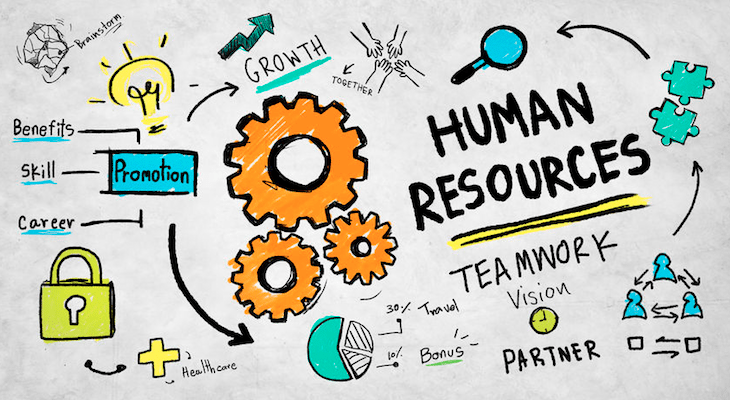
An efficient Human Resource Management (HRM) system is essential for any organization aiming to maintain a productive, motivated, and compliant workforce. HRM functions encompass a wide array of responsibilities, including recruitment, training, performance evaluation, compensation, and employee relations. Auditing these processes is critical for identifying areas of improvement, streamlining operations, and ensuring that your HR department is aligned with business goals.
Conducting a comprehensive audit of your HRM functions helps uncover inefficiencies, non-compliance issues, and opportunities to enhance employee engagement. By reviewing each function regularly, companies can stay proactive, adaptive, and competitive. In today’s fast-paced business environment, ensuring your HRM strategies are performing at their peak is no longer optional—it’s essential for long-term success.
Step 1: Define the Scope and Objectives of Your Audit
The first step in auditing HRM functions is to clearly define the goals of the audit. Are you aiming to improve recruitment turnaround times? Do you want to assess the effectiveness of employee training programs? Or are you focusing on compliance with labor laws? Having specific objectives allows you to focus your audit and measure progress accurately.
Step 2: Review Policies and Procedures
Start by reviewing all HR policies and procedures. This includes your employee handbook, recruitment guidelines, performance management protocols, and disciplinary procedures. Evaluate whether these documents are up-to-date, legally compliant, and effectively communicated to employees. Aligning your policies with the company’s mission and regulatory requirements ensures a stable foundation for all HR operations.
Step 3: Assess Talent Acquisition and Onboarding
Talent acquisition is one of the most vital HRM functions. Analyze your recruitment methods, job descriptions, interview processes, and onboarding experiences. Look at metrics such as time-to-hire, cost-per-hire, and new hire retention rates. Consider if your current strategy is attracting the right talent and if new employees are integrating smoothly into your organization.
Step 4: Evaluate Training and Development Initiatives
Training and development are key to workforce growth and satisfaction. Examine whether your organization offers regular learning opportunities that match employee needs and company goals. Check if training programs are measurable and if they lead to performance improvements. This part of your audit ensures you are building a capable and future-ready team.
Step 5: Examine Performance Management Systems
Your performance management system should facilitate clear communication, continuous feedback, and fair evaluations. Review how performance goals are set and tracked, and how feedback is delivered. Are managers conducting regular reviews? Do employees feel they are receiving constructive input? Fine-tuning this area supports motivation and career growth, contributing to overall organizational success.
Step 6: Analyze Compensation and Benefits
A competitive and transparent compensation structure is crucial for retaining top talent. Assess whether salary bands are market-aligned and if benefits packages meet employee expectations. This includes health insurance, retirement plans, and wellness initiatives. Understanding employee satisfaction with compensation helps reduce turnover and improve engagement.
Step 7: Monitor Employee Relations and Workplace Culture
Healthy employee relations and a strong organizational culture are foundational HRM functions. Review employee surveys, exit interviews, and grievance records to spot patterns. Evaluate if your workplace promotes inclusion, fairness, and open communication. Strengthening this aspect leads to a more cohesive and motivated workforce.
Step 8: Ensure Legal Compliance
Your HR audit must also cover compliance with federal, state, and local employment laws. Check documentation related to labor laws, employee classifications, tax forms, and workplace safety regulations. Non-compliance can result in legal penalties and damage to your company’s reputation, making this step particularly important.
Step 9: Utilize Technology and Analytics
Modern HRM practices increasingly rely on technology and data-driven insights. Evaluate your current HR software systems—do they support automation, data tracking, and reporting? Leverage HR analytics to measure performance, turnover trends, and engagement levels. This data-driven approach helps make informed decisions for continuous improvement.
Step 10: Develop an Action Plan
Finally, consolidate your findings into a detailed action plan. Identify short-term fixes and long-term strategic improvements. Assign responsibilities, set timelines, and determine how progress will be tracked. An actionable roadmap ensures that your audit translates into real results and meaningful organizational change.
Conclusion
Auditing your HRM functions regularly is a strategic move toward achieving operational excellence and employee satisfaction. From talent acquisition to performance management and compliance, each function plays a vital role in shaping your workplace environment. By refining these functions, organizations can foster a productive culture, retain top talent, and drive sustainable growth. Prioritizing efficient HRM functions is not just about managing human capital—it’s about empowering it to thrive.
