
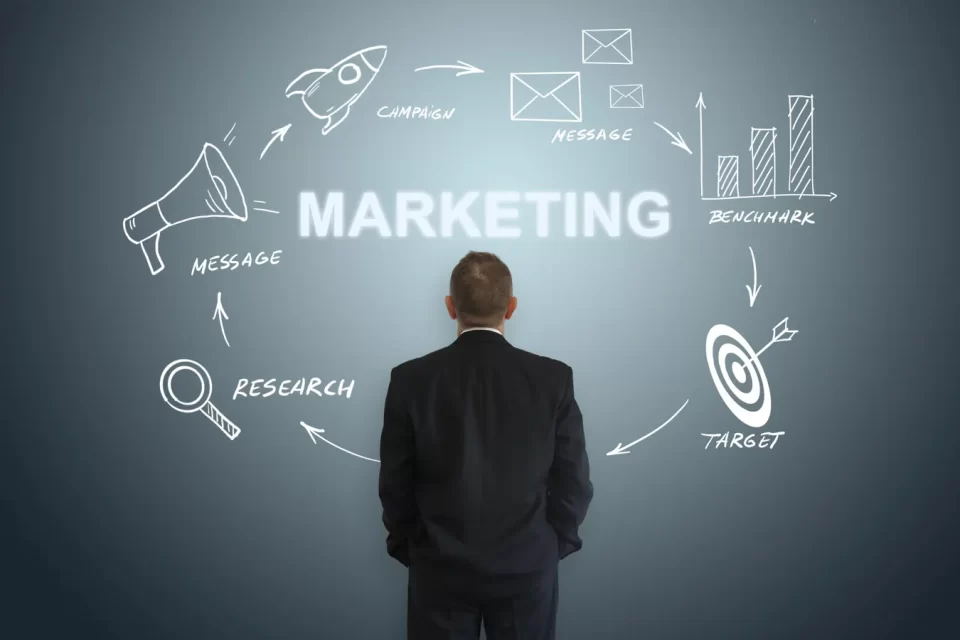
Marketing, often considered both an art and a science, is the driving force behind the exchange of goods and services in the global economy. In its most basic form, marketing is about creating connections between businesses and consumers, ensuring that the right products or services are delivered to the right audience at the right time. However, marketing has evolved far beyond simple advertising or promotional tactics. In today’s dynamic, highly competitive world, it is a sophisticated discipline that incorporates creativity, data analysis, psychology, and technology to drive value for both brands and customers.
Whether through digital channels, traditional media, or direct interactions, marketing influences nearly every aspect of modern life. The emergence of new technologies, changing consumer behaviors, and the increasing importance of personalized experiences have redefined the ways in which businesses approach their marketing strategies. In this article, we will explore the multifaceted nature of marketing, its evolving trends, and the key principles that drive successful marketing campaigns.
The Evolution of Marketing: From Transactional to Relational
Marketing, as we know it today, is vastly different from its early days. In the mid-20th century, marketing was largely transactional. Companies focused on mass-producing products and using broad advertising strategies to sell to as many people as possible. The dominant approach was to create a product, promote it through television, radio, or print ads, and then distribute it to a wide audience. The goal was simple: increase sales volume.
However, as markets became more saturated and consumers gained more access to information, the traditional methods of marketing began to lose their effectiveness. Consumers no longer accepted one-size-fits-all messaging. Instead, they sought brands that resonated with their values, addressed their specific needs, and offered a personalized experience. As a result, marketing shifted from being purely transactional to being relational, focusing on building lasting relationships between brands and consumers.
This shift was largely fueled by the rise of digital technologies. The internet, social media platforms, and mobile apps have given consumers more power than ever before. They are no longer passive recipients of marketing messages; they actively engage with brands, provide feedback, and share their opinions with a global audience. In response, marketers have had to rethink their strategies, focusing on creating meaningful, personalized experiences that build trust and loyalty over time.
The Role of Data in Modern Marketing
In the digital age, data has become one of the most valuable assets for marketers. The ability to collect, analyze, and interpret data allows companies to gain deep insights into customer behaviors, preferences, and purchasing patterns. This has given rise to more sophisticated, targeted marketing strategies that cater to the individual rather than the mass market.
One of the most important innovations in modern marketing is data-driven marketing, where companies use customer data to create personalized and highly relevant experiences. Through the use of analytics tools and machine learning algorithms, businesses can segment their audiences, tailor messages, and deliver them through the most effective channels at the most opportune times. For example, a retailer might use data from a customer’s past purchases to suggest personalized products through email or online ads, making the marketing experience feel more relevant and valuable.
Moreover, data allows businesses to measure the success of their marketing efforts in real-time. Key performance indicators (KPIs) such as click-through rates, conversion rates, and customer lifetime value provide marketers with immediate feedback on the effectiveness of their campaigns. This ability to continuously track and optimize marketing performance has fundamentally changed how campaigns are developed and refined.
The Digital Transformation: Navigating the New Marketing Landscape
The rise of digital technology has reshaped nearly every aspect of marketing, from how brands interact with consumers to how they measure success. Digital marketing encompasses a wide array of channels, including social media, search engine optimization (SEO), content marketing, email marketing, pay-per-click advertising (PPC), and affiliate marketing. Each of these channels offers distinct opportunities for engagement and brand promotion.
One of the most notable trends in digital marketing is the prevalence of social media platforms. With billions of active users on platforms like Facebook, Instagram, Twitter, LinkedIn, and TikTok, brands now have direct access to their target audience. Social media allows for two-way communication, enabling brands to engage in conversations with consumers, address their concerns, and build stronger emotional connections. Influencer marketing, where brands collaborate with popular social media personalities to promote their products, has also become a key strategy in reaching younger, more engaged audiences.
Another significant shift in digital marketing is the focus on content marketing. Rather than bombarding consumers with hard-sell advertisements, brands are now focusing on creating valuable, informative, and entertaining content that resonates with their audience. Whether through blogs, videos, podcasts, or infographics, content marketing allows companies to establish themselves as thought leaders, engage with their audience on a deeper level, and provide real value. This shift from promotional to educational content aligns with the modern consumer’s preference for brands that add value to their lives rather than simply trying to sell to them.
The power of SEO (search engine optimization) has also grown in importance as more consumers turn to search engines like Google to find information, products, and services. Optimizing websites and content for search engines increases a brand’s visibility and ensures it appears when consumers are actively searching for relevant solutions. A well-executed SEO strategy can help businesses gain organic traffic, build credibility, and establish authority in their industry.
Emotional Connection: The Heart of Effective Marketing
While data, digital tools, and analytics are vital to modern marketing, one element remains as important as ever—emotion. Successful marketing goes beyond presenting a product or service; it involves tapping into the emotional needs and desires of the consumer. Brands that can create emotional connections with their audience are more likely to foster loyalty, increase customer retention, and encourage word-of-mouth referrals.
Emotional marketing uses storytelling to connect with consumers on a deeper level. Rather than focusing solely on features or benefits, emotional marketing appeals to the values, aspirations, and feelings of the target audience. Whether through heartwarming commercials, inspiring campaigns, or messages that evoke nostalgia, emotional marketing seeks to create a bond between the consumer and the brand.
Take, for instance, Apple’s marketing campaigns, which consistently emphasize the emotional and aspirational aspects of owning their products. Rather than focusing solely on the technical specifications of their devices, Apple’s advertisements highlight how their products enable creativity, personal expression, and connection. This emotional approach has helped build a fiercely loyal customer base, one that sees Apple not just as a technology company, but as a brand that aligns with their personal identity.
The Future of Marketing: Personalization, Automation, and AI
Looking ahead, the future of marketing will be shaped by advances in artificial intelligence (AI), automation, and personalization. As technology continues to evolve, marketers will have access to even more sophisticated tools to refine their strategies, deliver more personalized experiences, and predict consumer behavior.
AI-powered marketing tools are already enabling brands to automate tasks such as content creation, social media posting, and customer service through chatbots. These technologies allow businesses to provide real-time, 24/7 support to their customers while also collecting valuable data for future campaigns. Additionally, AI is enhancing personalization by enabling marketers to predict what products or services consumers might be interested in based on their past behavior, increasing the likelihood of a sale.
Moreover, marketing automation will continue to play a crucial role in streamlining processes and improving efficiency. Automated email campaigns, customer segmentation, and retargeting ads are just a few examples of how businesses are using technology to engage with customers in a more targeted and timely manner.
Conclusion: The Evolving Landscape of Marketing
Marketing, once limited to traditional advertising, has grown into a dynamic and multifaceted discipline that requires creativity, strategic thinking, and a deep understanding of consumer psychology. From its roots in mass communication to the digital-first strategies of today, marketing has evolved to become more personalized, data-driven, and emotionally resonant. As technology continues to advance and consumer expectations continue to rise, the future of marketing will undoubtedly be shaped by innovation and the constant drive to connect with audiences in meaningful and impactful ways. For businesses to thrive, they must not only adapt to these changes but embrace them as opportunities to build stronger, more lasting relationships with their customers.
